Everest High Passes Trek: My Unforgettable Journey Through the Himalayas
I still remember sitting in a guesthouse in Kathmandu, checking my backpack for the third or fourth time. The Everest High Pass Trek felt like a dream and a challenge at the same time. I met a small group of trekkers there. Anna from Germany, two friends from India and a quiet solo traveler from Japan who barely spoke. Our guide from Nepal Social Treks & Expedition went through the route with us in a very simple, calm way. Seeing his confidence made me feel like maybe I could actually do this.
The next morning, we flew to Lukla. That flight itself felt like an adventure. The small plane shook slightly as we approached the short runway between mountains. Everyone in the cabin went silent during landing. As soon as the doors opened, the cold mountain air hit my face—and the trek had officially begun.
First Steps in the Khumbu
The trail from Lukla was alive with movement. Porters passed us carrying unbelievable loads. Yaks moved slowly with bells ringing. And trekkers from all over the world filled the narrow paths. I remember slipping on a wet stone near Phakding while one of the porters walked past me like it was nothing. We crossed long suspension bridges covered in prayer flags. One of them swayed more than I expected. Anna refused to look down the entire time, holding onto her backpack straps tightly.
Namche Bazaar and Acclimatization Days
Reaching Namche Bazaar felt like entering a mountain amphitheater. Houses were stacked into the hillside. Snowy peaks appeared suddenly when the clouds opened. We stayed there for acclimatization.
On one of the hikes above Namche, I remember struggling more than expected. The air felt thinner and even a short climb left me breathless. A local Sherpa woman passed us carrying a heavy basket and smiled as she said, “Slow step, good step.” That line stayed in my head for the rest of the trek.
In Namche, I also had a small incident—I lost one of my gloves somewhere between a bakery and the viewpoint. It sounds small, but high up in the mountains, even losing a glove feels serious. I ended up wrapping my hand in a spare sock until I found a cheap replacement in a tiny shop.
Moving Higher Into the Mountains
As we went higher, the landscape changed quickly. Trees became fewer, winds became stronger and the trails turned rocky and icy in places. Nights in teahouses became colder too. Most of the times we all gathered in the dining hall just to stay warm. Sitting close to the stove in silence or sharing stories. I remember one evening in Dingboche when power went out completely. The whole room went dark except for candles. That night, our group talked more than usual—about home, food we missed and why we were really doing this trek.
Crossing the High Passes
The real challenge began with the passes.
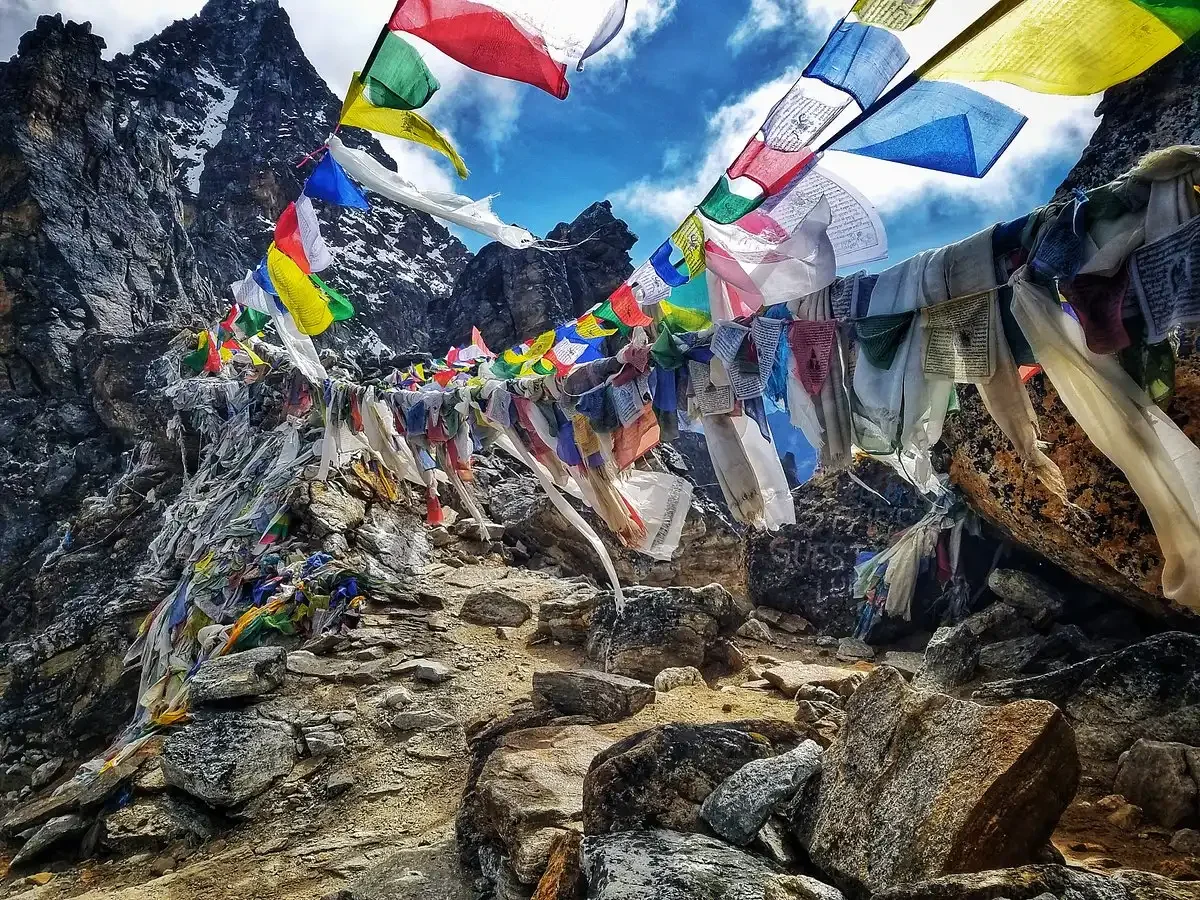
Renjo La Pass was cold but beautiful. The wind was sharp and at one point I had to stop because my hands were shaking too much to adjust my backpack straps. But when we reached the top, the view of Gokyo Lakes below made everything worth it. We stayed there longer than planned, just sitting quietly and staring.
Cho La Pass was the hardest day for me. The trail was icy, we had to cross a frozen section carefully using ropes. I remember hearing only the crunch of boots and the wind. Nobody spoke much that day. One of the Indian trekkers almost slipped, but our guide quickly steadied him with a firm grip and a calm “step here.” When we finally crossed, everyone just sat down on the rocks in silence. Then slowly, laughter started. It felt like we had all shared something very intense without needing words.
Kongma La Pass was long and exhausting. My legs felt heavy from the start and I remember thinking several times, “Why did I choose this?” But the moment we reached the top and saw the endless Himalayan range stretching in every direction, that thought disappeared completely.
Everest Base Camp and Kala Patthar
Reaching Everest Base Camp was emotional. It wasn’t just about the place—it was about everything it took to get there. Standing near the famous rock and seeing climbers preparing for their expedition made everything feel real. We didn’t stay long because of the cold wind, but everyone took photos and just stood quietly for a moment. The real magic, though, came at Kala Patthar. We woke up before sunrise, half asleep and started climbing in freezing darkness. I could hear my own breathing more than anything else. When we reached the top, the sky slowly changed from dark blue to orange. And then Everest appeared. Golden light touched the peak first and for a few minutes, nobody spoke. Even the wind felt softer. It was the kind of moment that stays in memory without needing words.
The Journey Back
Going back down felt easier on the body but more emotional in the mind. The group felt closer by then. We shared food, helped each other with tired legs and even joked about how “normal life” would feel boring after this. In one teahouse, we met trekkers just starting their journey. I remember smiling at them, thinking they had no idea what was ahead—but also feeling a little jealous of their beginning.
Final Thoughts
The Everest High Passes Trek is not just a difficult mountain journey. It is a mix of struggle, silence, laughter, cold mornings, sore legs and unforgettable views. But more than anything, it is about people. Strangers who become temporary family, guides who feel like quiet protectors and small moments like a shared cup of tea after a long day. Even now, when I think about it, I don’t just remember the mountains. I remember the wind, the bridges, the laughter in teahouses and the feeling of standing above the world for a brief moment in time.


Comments
Post a Comment